Job roles within the commissioning process
Commissioning Editor
A Commissioning Editors job is to identify scripts, books and other media products to publish by deciding whether or not it's worth commissioning by attending book fairs, performing internet research, surveys and maybe going to press conferences. This will help the commissioning editors learn about varied trends and different gaps in the market to find out if the idea proposed to them will be worth publishing and working out if it will be successful and make them a good deal of money. You can look at these people as basically a buyer of a product.
Producer
 The Producer is a significant part of the writer's journey as they are the people who turn a writers story idea into an ideally profitable film. Producers will commission a writer to work with the production of their story or buy the rights to the screenplay, novel or whatever it may be. Once the screenplay is sold, the writer only has the rights they agreed on with the buyer. When and if a Producer buys a writer's script they can change the story however they wish, whether it is changing a few characters here and there or completely re-arranging the plot. However, writers get very angry because of this and unfortunately cannot do anything about it as from the moment their script is sold they lose all rights to it. In some occasions if the writer's story gets changed and the writer sees it as a terrible adjustment they take their name off of the screenplay.
Director
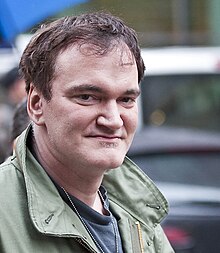 A Director is the most important person during the production of a film, controlling all the artistic and dramatic aspects of film. Once a producer purchases the rights to a successful screenplay, the producer will look for a director who will be in charge of interpreting the script and making it into a film with fellow actors and crew. In pre-production process, the Director will normally meet the writer of the screenplay that he's directing to gain insight and further understanding of the characters, themes and narrative. During production the writer can sometimes help and get involved with the filming process but this depends if the director wants any guidance, which is mostly the case.
This whole measure of receiving scripts, meeting with the writer, discussing certain elements and having further support is sometimes eliminated when a Director writes their own screenplays. Some directors do this because they like to see their own creations come to life or to bypass the whole exchanging scripts process with the writer. A great example of a director that wrote, directed and acted in his own screenplay is "Quentin Tarantino" in "Pulp Fiction", a black comedy crime film made in 1994.
Script Editor
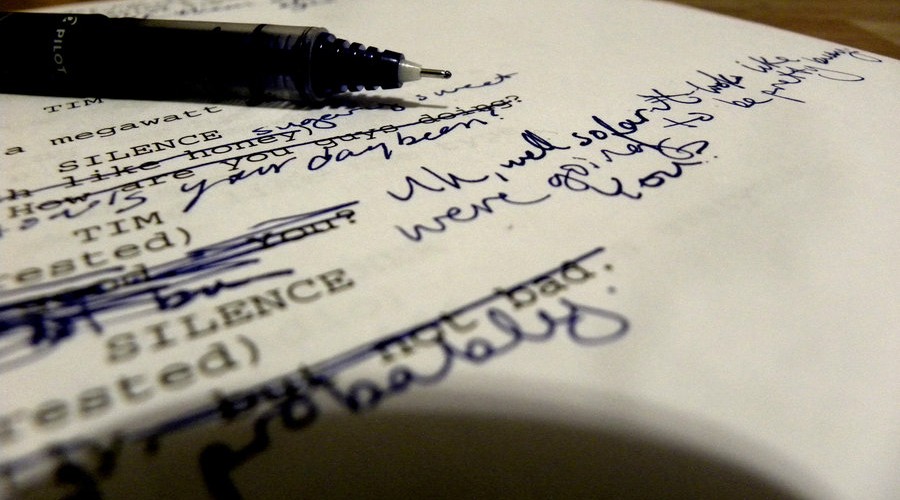 Before anything, Script Editors normally work with the screenwriter to give a second opinion/view on it to help improve the strength of the script. This will give the screenwriter lots of help to understand where he might have gone wrong and what he needs to do in order to improve it. After this, Script Editors will work as part of the camera department to ensure that the production has continuous verbal and visual integrity. They must make sure that when different takes and scenes are finally decided on and edited, the production does not contain any eye-catching and distracting continuity issues. Script Editors/Supervisors look closely at every shot and take precise, detailed notes to give the Editors, Directors and anyone else who needs to know an authoritative reference.
Legal and Ethical Aspects of Writing
As a Writer, there are many legal and ethical issues that have to be taken into account when becoming a screenplay writer. This includes bias, censorship, liability, watersheds and copyright.When Screenwriters write a script they have to take into account whether or not they are being biased in their script. Meaning having favouritism or being one sided on a certain topic, such as; ethnicity, disabilities, race, etc. Screenwriters are allowed give and express their views to viewers in their story about a topic, but offending someone or disrespecting anyone in anyway is extremely unacceptable. Every screenplay must respect all audiences, cultures and beliefs.
 Screenwriters will need to be aware of watershed and any sort of censorship when planning/writing their script. Any sort of adult material which is going to be shown on TV must follow strict rules depending on what time the product has to be broadcasted. Ofcom states, "The watershed begins at 9pm and material unsuitable for children should not, in general, be shown before 9pm or after 5.30am.". When the target audience is thought of and you know who you are aiming the script at, research is needed to lookup age rating guidelines on BBFC to make sure all content you produce is appropriate for your target audience.
Copyright is another very important thing, first of all if you attempt to copy someones script you will be accused of plagiarism. Furthermore, if they have copyrighted their screenplay and you attempt to copy it you are liable to get sued by them. However if the issue has been taken to court and they haven't copyrighted their screenplay, they will find it very difficult to prove it is theirs, vice versa. Libel is the creating and distribution of a product which you know will affect someone or a group of people in either a harmful or emotional way. This is why screenwriters usually make characters not based solely on real people, in order to not harm them and create any legal issues.
Commissioning Bodies
A corporation is a large company or group of companies authorized to act as a single establishment. For the film industry there are massive film making and film distribution companies. There are four main commissioning bodies which I will speak about - these include;- Corporations
- Independent production companies
- Independent directors and producers
- Competitions

Corporations will commission films and programmes to be created and aired on the TV or wherever it may be, one prime example is the BBC. Everything visual you see on their channels/website would have been written by usually a scriptwriter beforehand. On the BBC's website, they have a specific area for writers that wish to become noticed in the industry which offers tips and advice. Also, if someones material is at a high standard, there is a chance they may arrange a project to become of it, this obviously doesn't come easy.
Independent production companies will usually produce films and television programmes by being approached from corporations such as the BBC, asking to create them from screenplays they have maybe already obtained from someone. A great example of an independent production company is "Tiger Aspect Productions" which has produced some very iconic television series', these include; Ripper St. (BBC One), Benidorm (ITV), CUFFS (BBC One) and Mr Bean: The Animated Series (CITV)
 Nowadays it is much easier for directors and producers to create and have an independent film produced without the assistance of a major film studio, due to the huge range of filming equipment that is now affordable on today’s market compared to how it was many years ago. Potentially if an independent producer or director wanted the film to become a bigger film, you would have to find an agent to help them so they could hopefully arrange and set-up meetings with a distributor if the film was potentially a profitable idea. The film "Paranormal Activity" was independently directed and produced by Oren Peli and Jason Blum with a budget of only $15,000, it was later distributed by Paramount Pictures, turning it into the most profitable movie ever made.
A great way to hopefully get your script known and to make your way into the industry is entering competitions. A winning script, as well as near winning scripts will be highly recognized and will help build your confidence to inform you that you have something special to bring to the industry with your skills as a scriptwriter. An amazing film competition is hosted by the UK Film festival called "3 Minute Script Competition", where you have to produce a script of 3 pages long, This is very efficient as it takes much less time than other contests, with the opportunity of gaining just as much recognition. There have been previous winners which received awards and have gone on to make more screenplays for other competitions.
How the Writer works
 Having your life role as a Writer may seem easy, but in some cases it can be quite the opposite. Firstly a writer will be gin planning and brainstorming ideas which eventually leads onto the first draft of the screenplay. Throughout these stages, managing time wisely plays a huge part during working. Some writers have explained that they prefer setting a word count for the day, so for example if you were to set 2000 word count for the day you would spread out the course of writing with breaks and bring yourself to writing 2000 words before the day ends. For some people this doesn't work, they don't like the idea of having a set target to write towards, as ideas get messy and it is obvious that their ideas aren't really getting anyway. For these people they tend to break the day up with writing for so many hours, for example you may choose to write from 8:00am - 11:00am, have a break for a couple of hours and then resume your session straight after for another 3hours and so on. This way instead of having to write so many words, you can just work to set times instead and get as much done as you can.
Agents play quite a big part of this process as these are the people that help get the screenplay noticed by multiple directors and producers, these people will then hopefully want to drive the script forward and maybe put some pressure on the writer to get the script finished. These agents have numerous contacts in the industry to help do this. If an agent sees interest in a writers work they will normally get in contact with them to discuss their work and whether or not they will decide to represent them or not. the good thing about this is agents do not charge at all to represent a writer, they just get a paid a fixed percentage that is agreed upon with the client for when they're paid. This is why agents only choose to represent people they know will be successful and make lots of money.
Optioning is a process that most writer's go through where producers pay a certain amount of money to keep the rights to their script for however long. Within this time period, they will hang onto it while they option other scripts to find the one they like most. If then by the end of this time your script has not been chosen, the producers will just give you back your script and you can carry on finding someone who wants it after claiming back all the rights for it again. But if by the off chance you are successful with your script, the producers will pay full price for it and legal entitle themselves to it, meaning you have no possession over your script anymore. They are then free to adapt it, change it and do anything they want to it. The script will then go on to being filmed and distributed by further companies.
Royalties are payments that are made from the producer to the writer because of on-going use of their script. Every time the film is shown on TV or in Cinemas, the writer will receive payment each time. Also even if the script isn't made into a production, the writer will still be paid royalties to keep it confidential from any other production companies that don't have rights to it. Obviously the amount of royalties received depends on the success of the thing being sold, so having a film that is very popular will result in you being paid more money.
Role of the Writer throughout production
The producer has control over the majority of the production, this will include the script and it’s many rewrites. The writer will have to work closely with the producer to achieve something that will do exceedingly well when it comes to bringing the studio/company a profit. The writer will also have to work with the director to bring a screenplay into a visual story for an audience that will obviously have to be enjoyable to watch.Once adjustment occurs and page lock-down, there will be no more rewrites or specific edits to the script, the script will be published and handed to the main department. If any particular scenes do need to be rewritten and/or changed, securing the pages allows this to be easily monitored, it will keep the edited and unedited pages separate which will evidently show the difference between the original script and the changes that have been made.
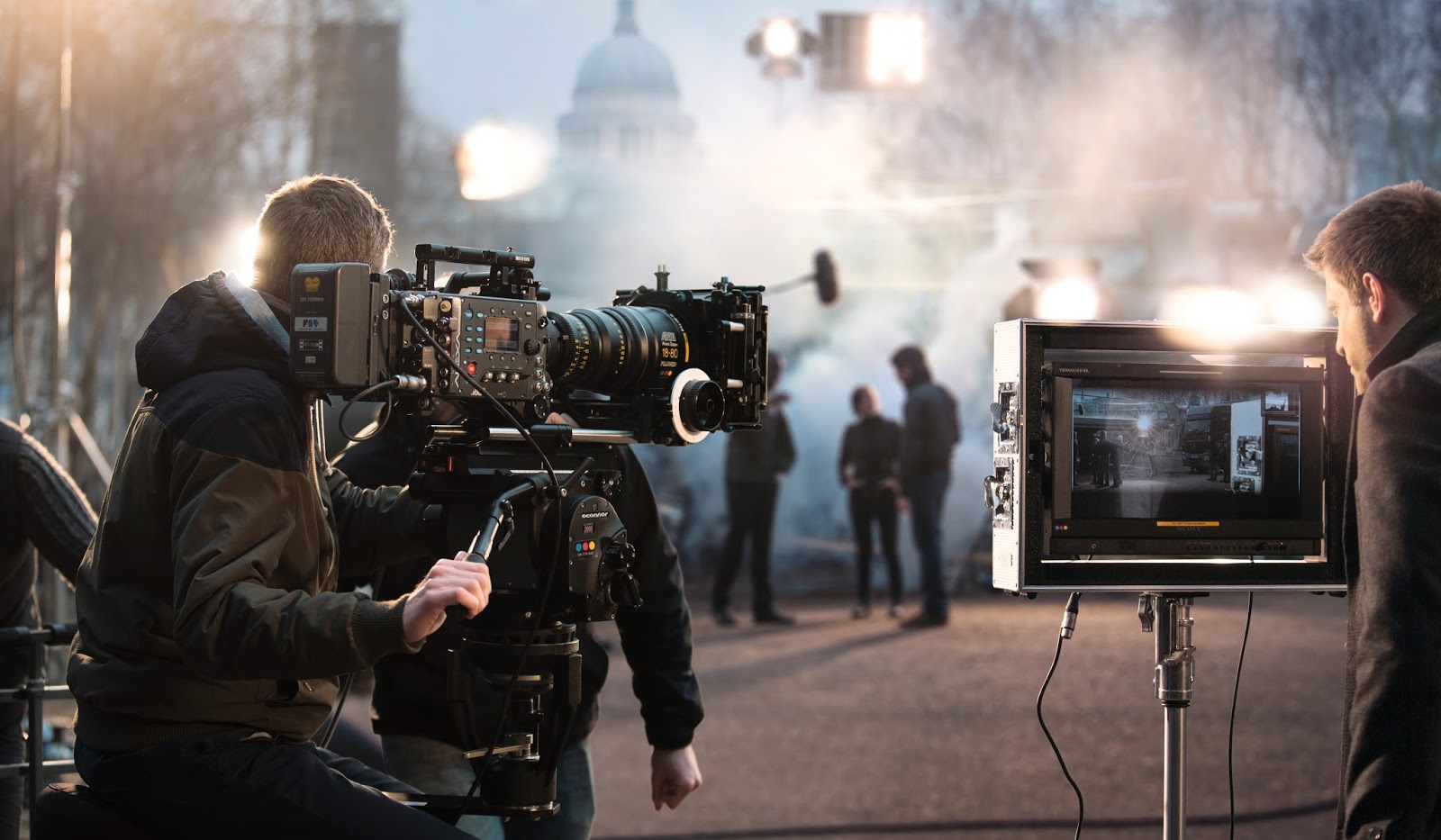 When finalising a screenplay, script editors are brought together into the project to help tie in both the screenwriter and producers ideas that they may have. They offer assistance to point out any problems and consequences of the current screenplay which in a rewrite, will help make it stronger when it comes to the actual production stage. Once the screenplay is completed, it becomes a shooting script which is then split by its scenes/shots and numbered, broken down to key components required for the film by the director. The directors and production assistants will then decide on an order for the scenes to be shot to make the best effective way of making use of resources, cast and locations. The shooting script also contains much more detailed description of the scenes to help everyone included in the production - this will consist of costumes, exact camera angles and so on.
Bibliography
https://www.bbc.co.uk/writersroom
https://www.writersstore.com/how-to-sell-your-script
https://en.wikipedia.org/wiki/commisioning_editor
https://www.bluecatscreenplay.com
http://www.robotcamelfilms.uk/wp-content/uploads/2016/02/freelance-film-production.jpg
https://imgix.ranker.com/user_node_img/63/1259864/original/james-cameron-people-in-tv-photo-u22?w=650&q=50&fm=jpg
http://cdn.bloody-disgusting.com/wp-content/uploads/2012/08/paranormal-activity-1.jpg
https://pbs.twimg.com/profile_images/662708106/bbc.png
https://static.independent.co.uk/s3fs-public/thumbnails/image/2013/06/17/13/BBFC.jpg
http://www.zombies.com.tw/uploads/5/4/1/0/54100259/2509522_orig.jpg
https://upload.wikimedia.org/wikipedia/commons/thumb/a/a3/Quentin_Tarantino_%28Berlin_Film_Festival_2009%29_2_cropped.jpg/220px-Quentin_Tarantino_%28Berlin_Film_Festival_2009%29_2_cropped.jpg
http://www.lucidcafe.com/library/95dec/95decgifs/disney.gif
http://cdn.shopify.com/s/files/1/0899/9232/products/KEEP_CALM_AND_LET_THE_PUBLISHING_COMMISSIONING_EDITOR_HANDLE_IT_grande.jpeg?v=1445236403